Brasal (Coca-Cola) · 2023
Coca-Cola Smart Fridge
The app that unlocked the fridge kept crashing itself. I redesigned the purchase flow, we added Pix and digital wallets, and the crashes all but disappeared.
- Role
- UX/UI Designer, end to end
- Team
- Product owner Leticia Miranda and the Brasal development team
- Platform
- Mobile app, iOS and Android
- Year
- 2023
In short
- Problem
- Brasal's smart fridges depended on an app that crashed, only took credit cards and could be bypassed.
- What I did
- I ran the research, facilitated the ideation workshops and redesigned the whole purchase flow, from unlocking the fridge to paying.
- Outcome
- The crashes practically stopped, Pix and digital wallets joined credit cards, and the fridge now locks itself after every purchase.
Context
Brasal, the largest Coca-Cola bottler in central Brazil, had a good idea for getting closer to consumers: put smart fridges inside residential buildings. Open the app, unlock the door, grab a drink, pay. No cashier, no line.
The idea was good. The first version of the app wasn’t.
The problem
I spent time with Brasal’s team and with the people using the fridges, and the complaints repeated almost word for word:
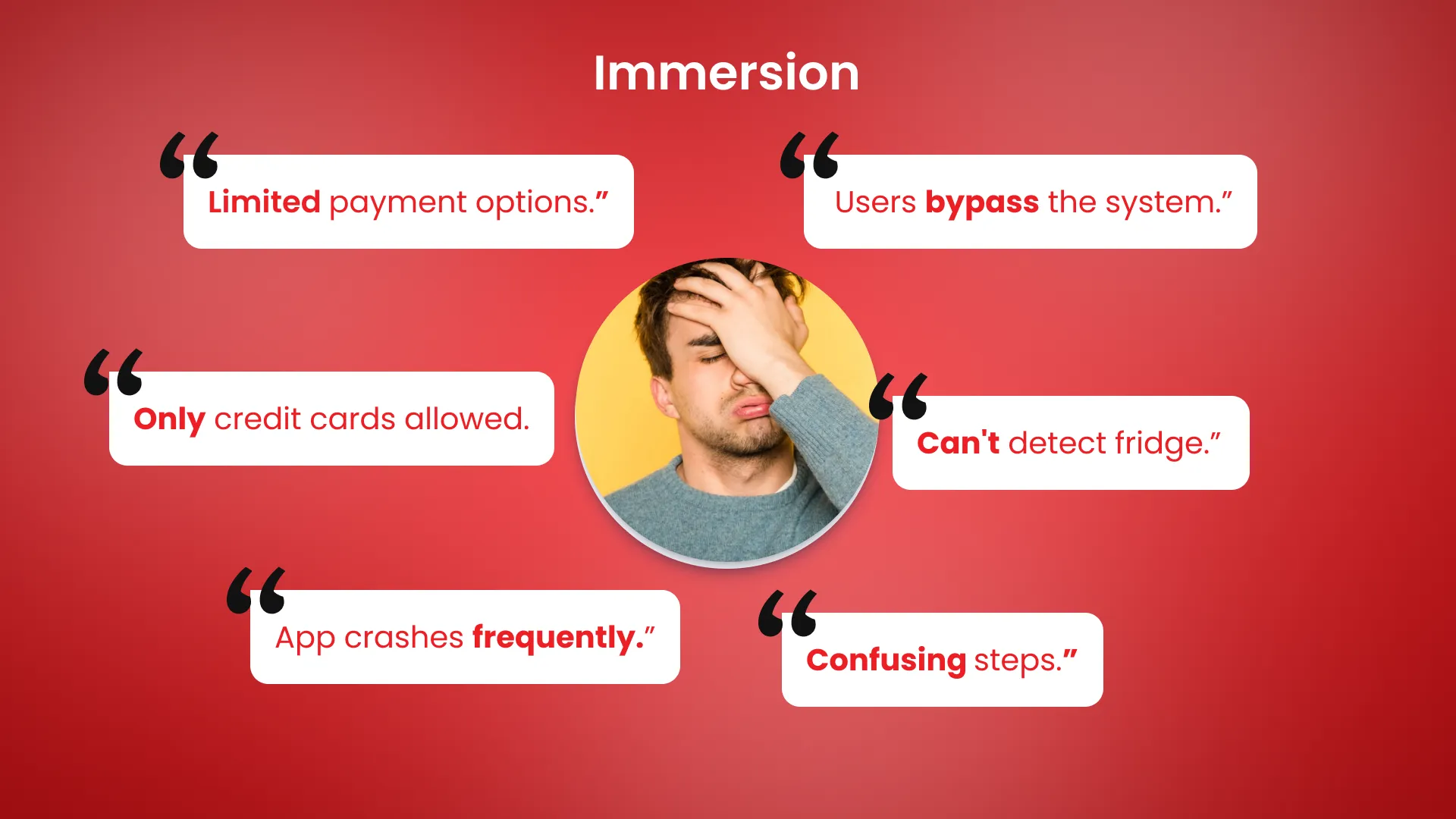
The app crashed, sometimes halfway through a purchase. It only took credit cards. It didn’t always find the fridge, so unlocking was a matter of luck. The steps were confusing and gave no sign of what was going on. And some residents had figured out how to get around the system, so drinks left without being paid for.
Residents got frustrated. Brasal got low adoption and missing stock.
My role
I was the UX/UI designer, end to end, working with the product owner, Leticia Miranda, and Brasal’s developers. I ran the research, facilitated the workshops and designed everything from the first sketch to the high-fidelity prototype.
How we worked
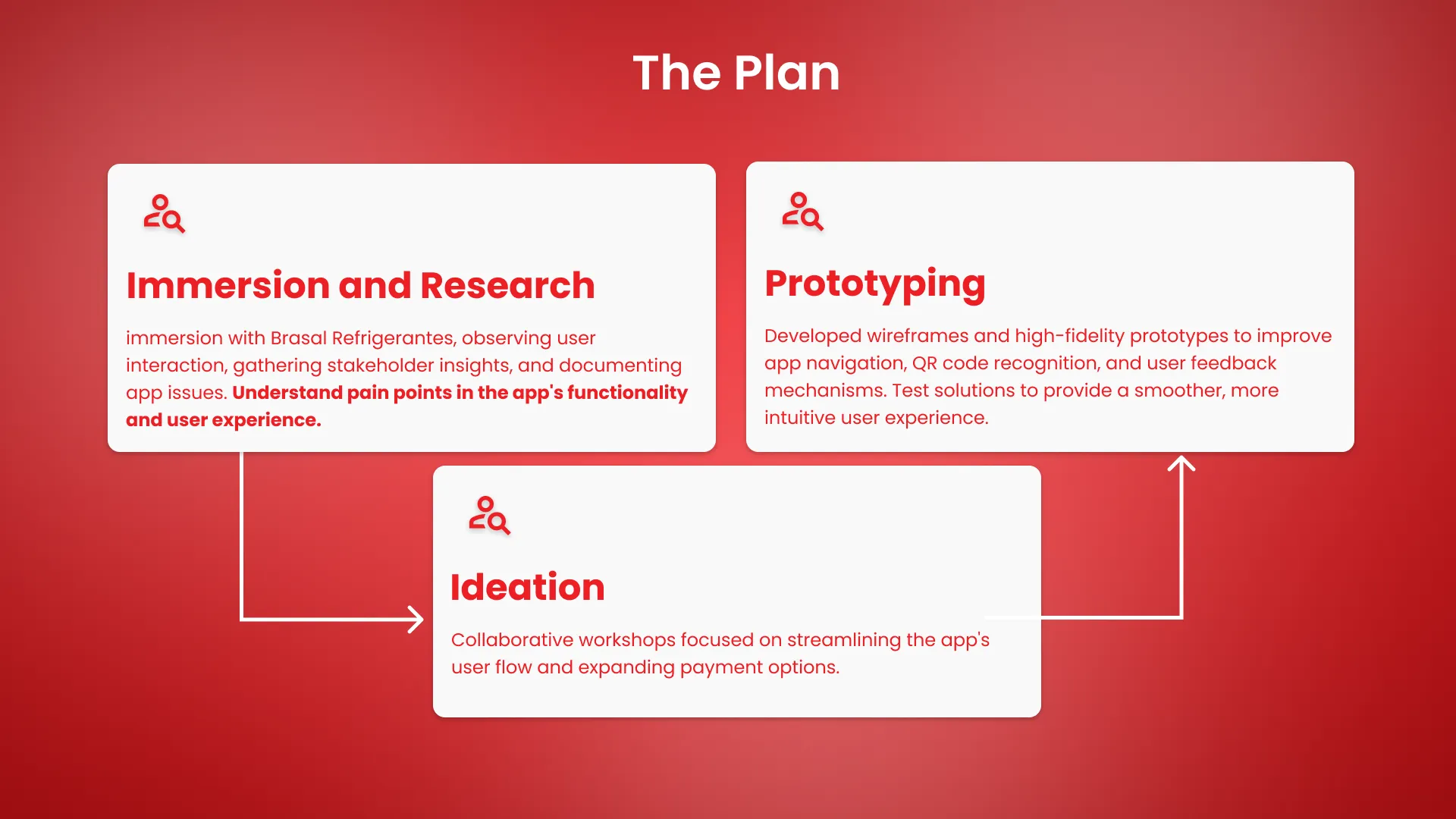
Immersion and research. Time with Brasal’s team, watching how people used the app, hearing every area involved and writing down each problem.
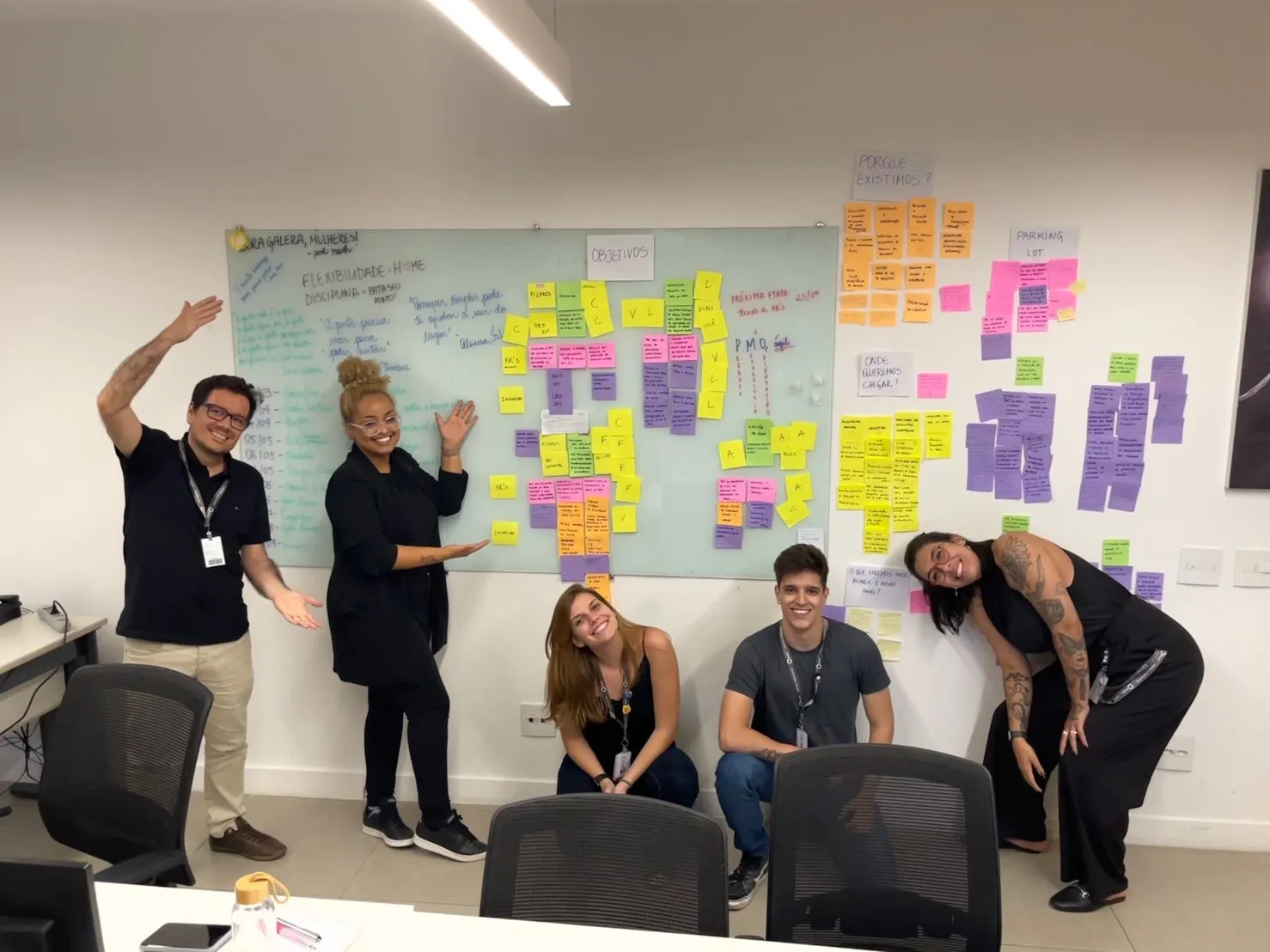
Ideation. Collaborative workshops with two goals: a simpler flow and more ways to pay.
Prototyping. Wireframes first, then high-fidelity prototypes to test navigation, QR code reading and feedback before a single line of code.
Key decisions
Pay the way people already pay
People kept saying the credit card was their only option. In Brazil, everyday spending runs on Pix, so Pix and digital wallets went in next to cards, along with loyalty points. When you’re buying a can of soda, paying shouldn’t be the hard part.
Lock the fridge after every purchase
Some users were getting around the system. Instead of trusting each person to end the session, the fridge now locks itself after every purchase, and Brasal follows each transaction in real time.
Always say what’s happening
Unlocking a fridge from a phone needs the app, the network and the hardware to cooperate. The old app went quiet while that happened, and people couldn’t tell whether to wait or try again. The new flow confirms each step: fridge found, door unlocked, payment approved.
The solution
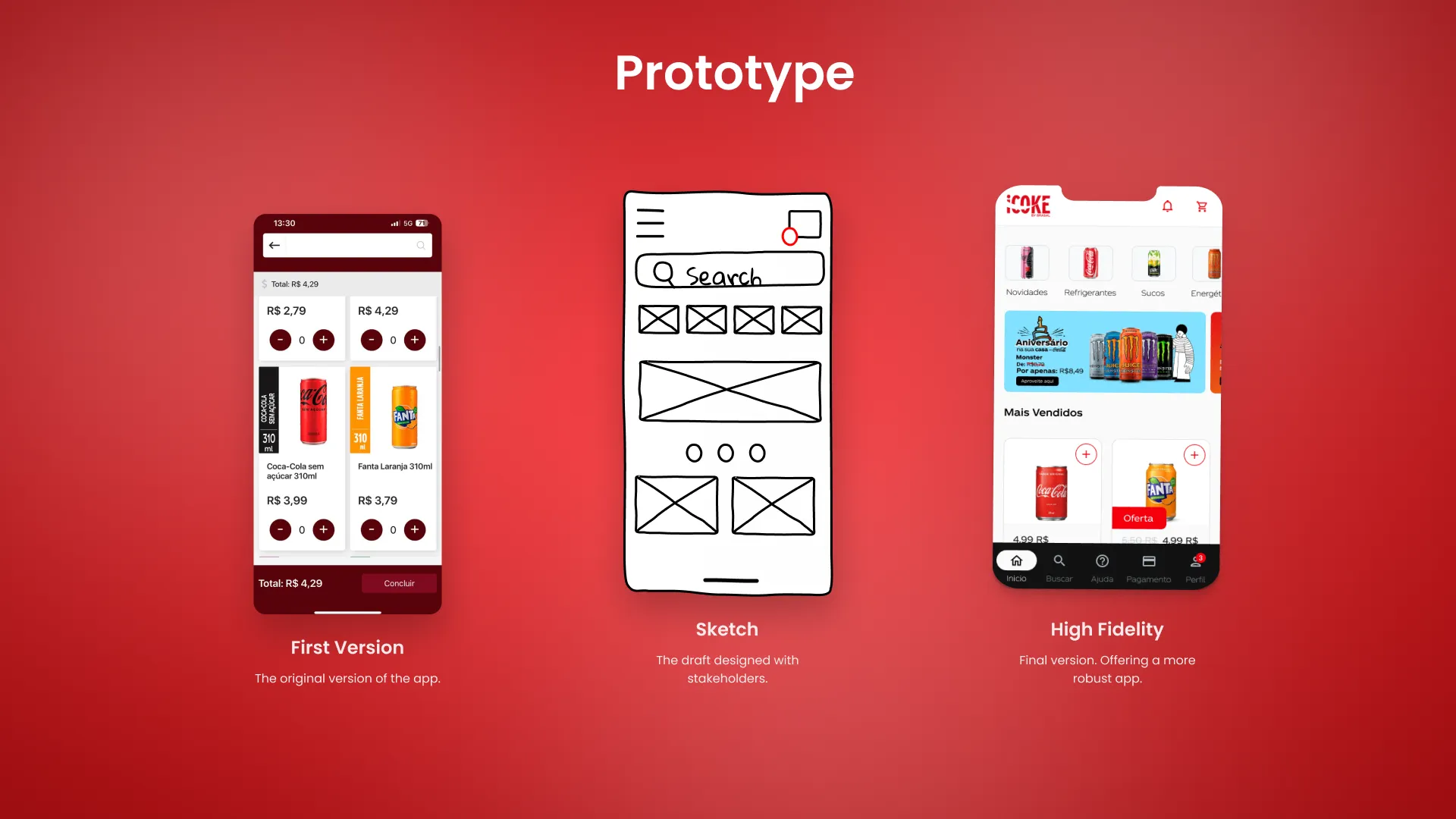
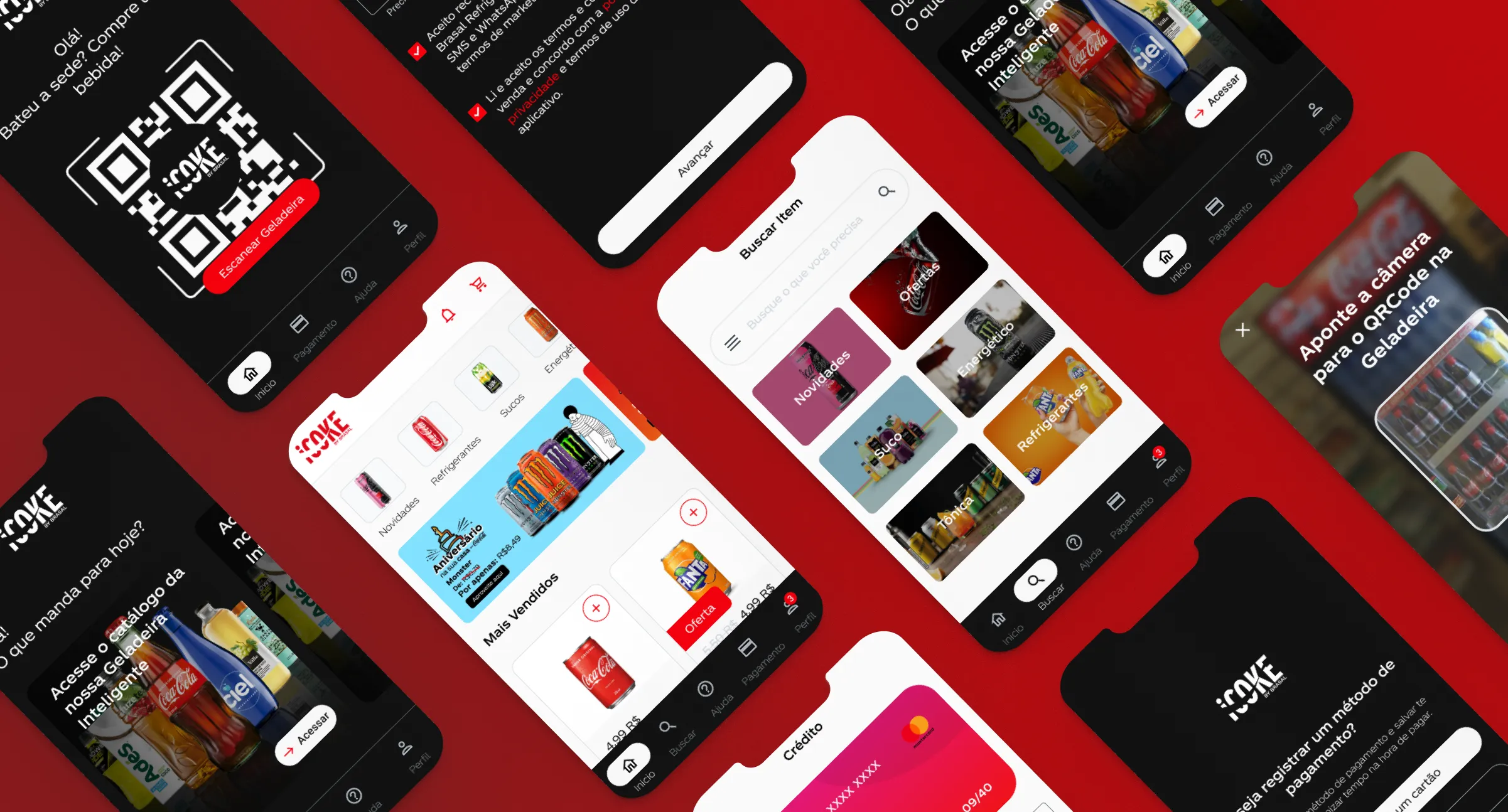
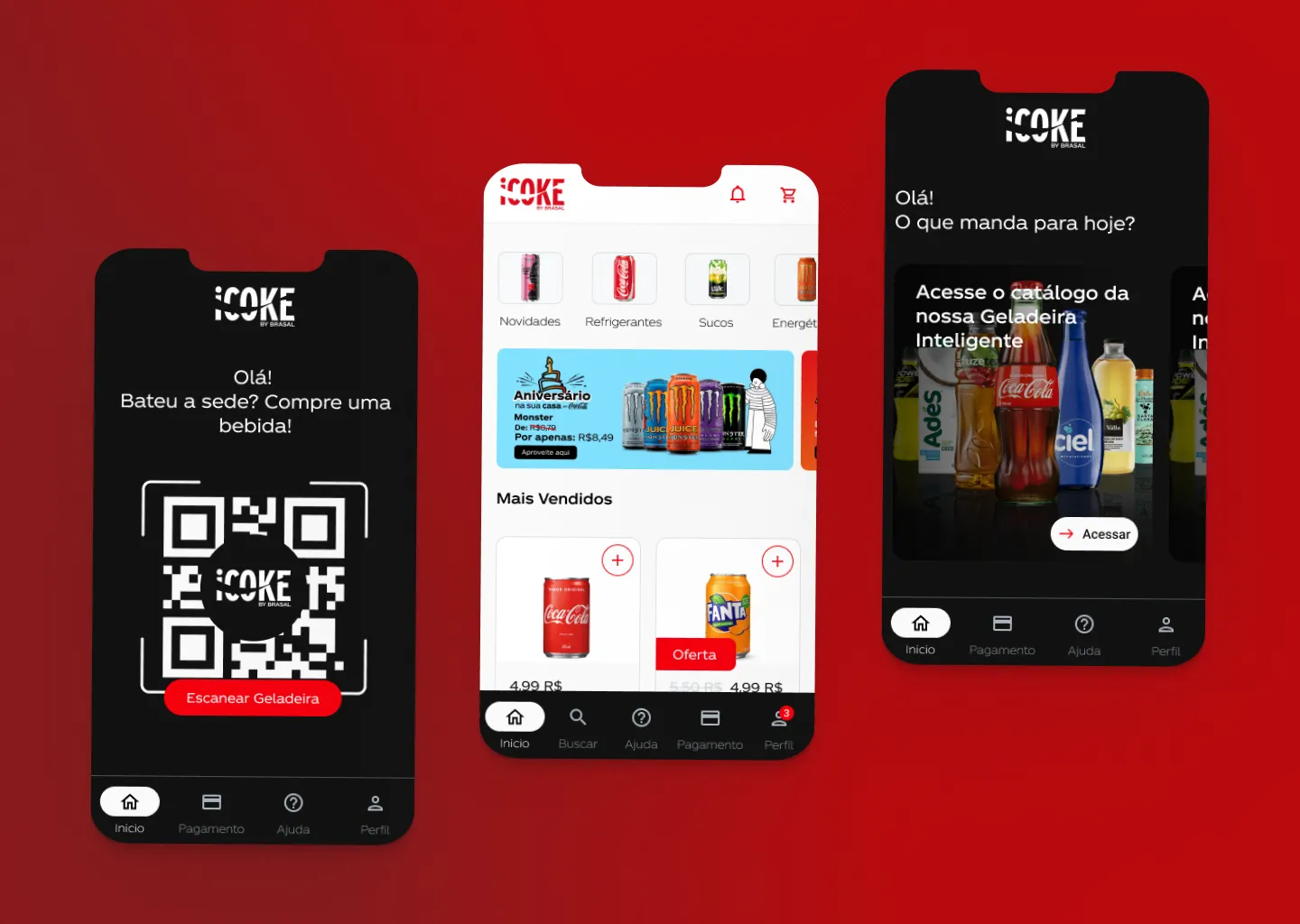
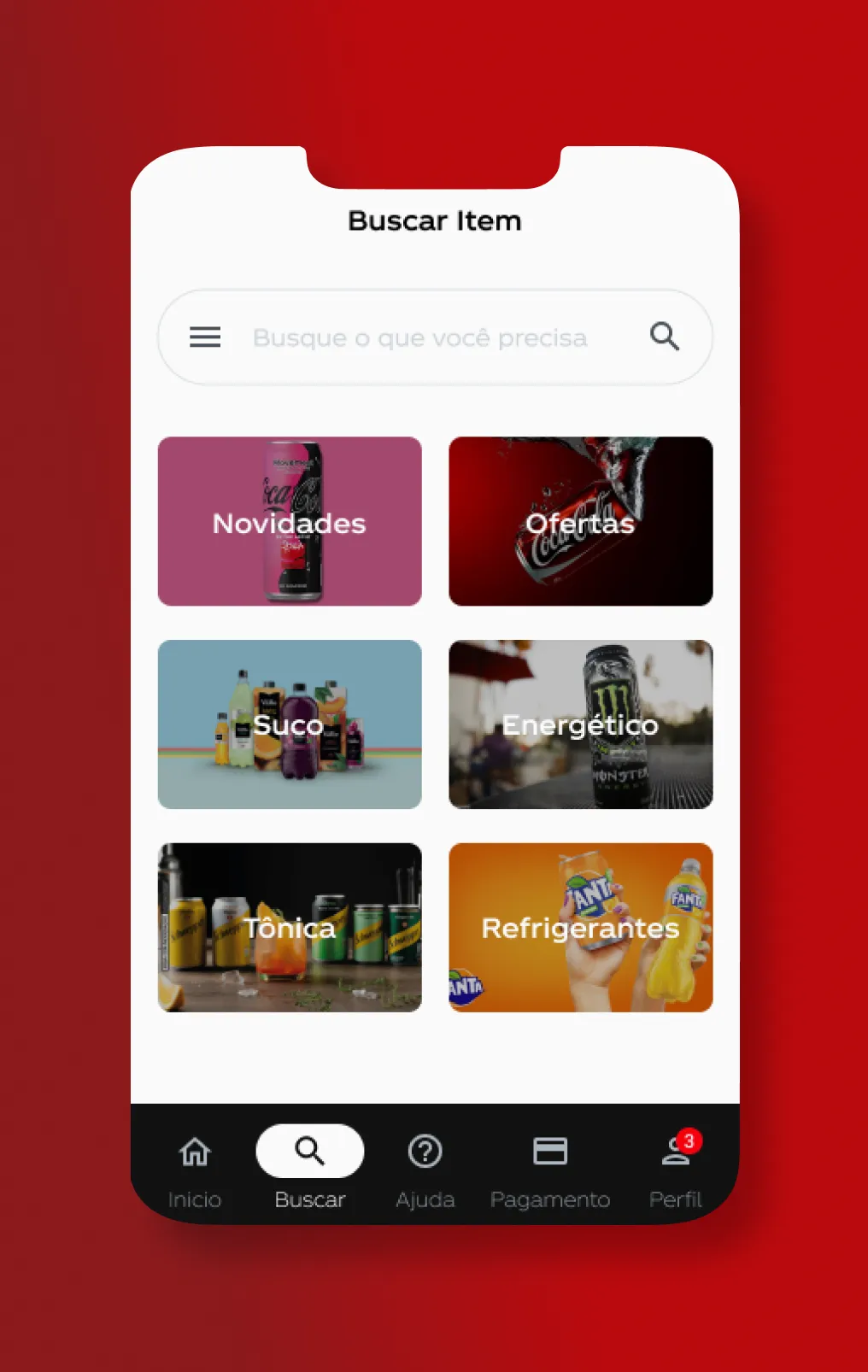
The essentials are one tap away: scan the QR code, see what’s inside, pay. Restock alerts and promotions gave people a reason to open the app even when they weren’t standing in front of the fridge.
Results
The first thing people noticed was that the app stopped crashing. The crashes that had defined the old version practically disappeared after the relaunch. Pix and digital wallets removed the barrier at checkout, and automatic locking was built to close the gap that let drinks leave unpaid.
How I’d measure it today
Today I’d start tracking from day one: completed purchases, time from unlock to payment, crash-free sessions, the share of each payment method and repeat purchases per building. Those numbers would turn “it got better” into a clear before and after.